How Experiential Learning Improves Concept Retention
New research shows how immersive experiences strengthen understanding and long-term retention in students.
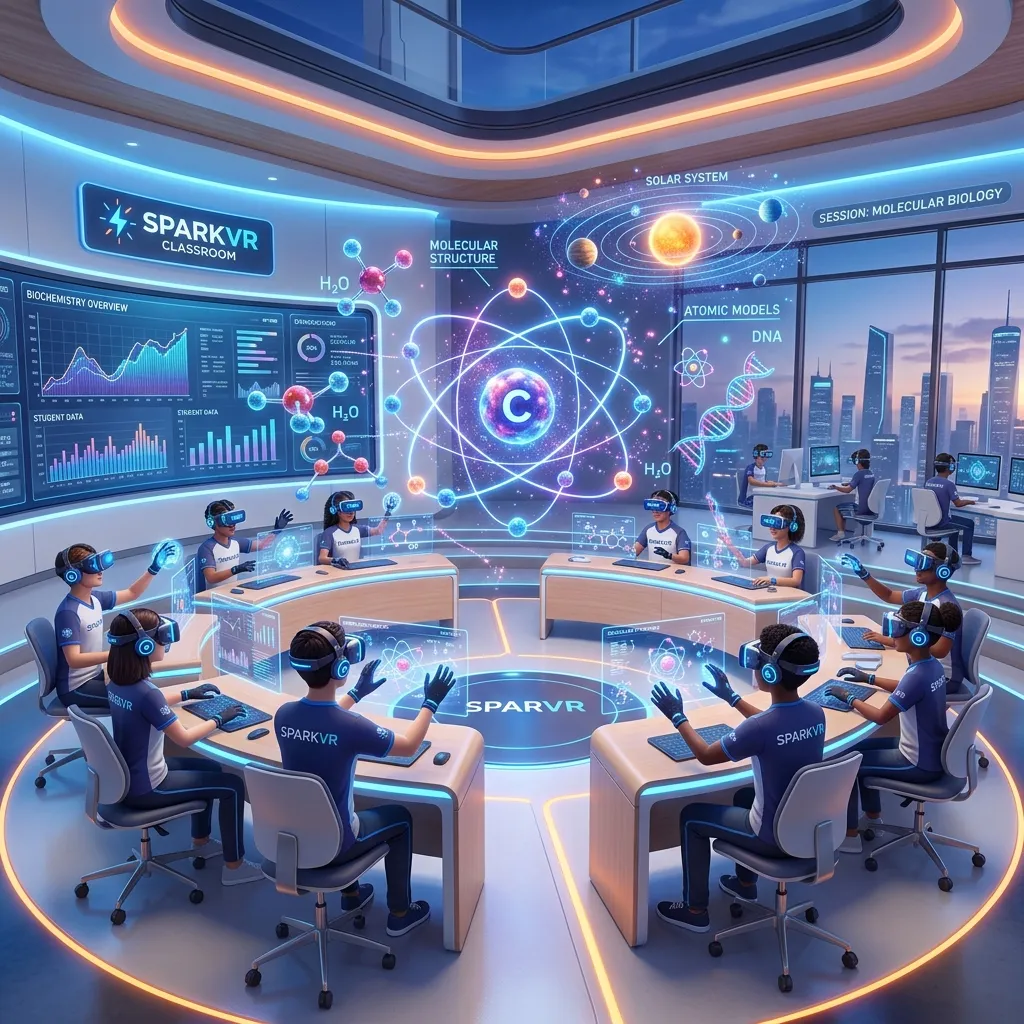
For decades, education has relied on explanation. Teachers explain brilliantly. The curriculum is structured. Examinations are rigorous. Yet many concepts remain abstract. Students are asked to imagine.
What if they didn't have to? What if learning could be experienced instead of imagined?
Emerging research in experiential learning shows that when students actively engage with concepts through immersive and interactive experiences, their understanding deepens significantly—and more importantly, they remember longer. Learn more about our research-backed learning outcomes or see how we design VR modern classrooms.
The Science Behind Experiential Learning
Studies from cognitive science and educational psychology consistently highlight that experiential learning activates multiple areas of the brain. This multi-sensory engagement helps students form stronger neural connections, leading to improved retention and application of knowledge.
Students remember 75% of what they experience, compared to only 10% of what they read.
Why It Matters in Classrooms
When abstract topics—like the human heart, planetary motion, or chemical reactions—are experienced in a safe, immersive environment, students move from passive reception to active discovery.
- Concepts become visible.
- Thinking becomes deeper.
- Confidence grows naturally.
At SparkVR, we design experiences that fit seamlessly into the school day and curriculum—making conceptual clarity a reality for every student. If you are interested in trying this out, contact our academic team to schedule a demo.